Hankyu Densha Cinema Home

Category

Film Analysis

8 articles

Waiting as Witness: How Japanese Cinema Transforms Liminal Spaces into the Soul of a Story

Waiting as Witness: How Japanese Cinema Transforms Liminal Spaces into the Soul of a Story

Japanese directors have long understood that the spaces between destinations carry as much dramatic weight as the destinations themselves. From rain-soaked platform benches to fluorescent-lit hospital corridors, these overlooked environments become the true confessional chambers of Japanese cinema. This piece examines why American audiences are increasingly drawn to films that find meaning in the margins of movement.

An Education in Looking: How Japanese Cinematography Rebuilds the Viewer's Eye from the Ground Up

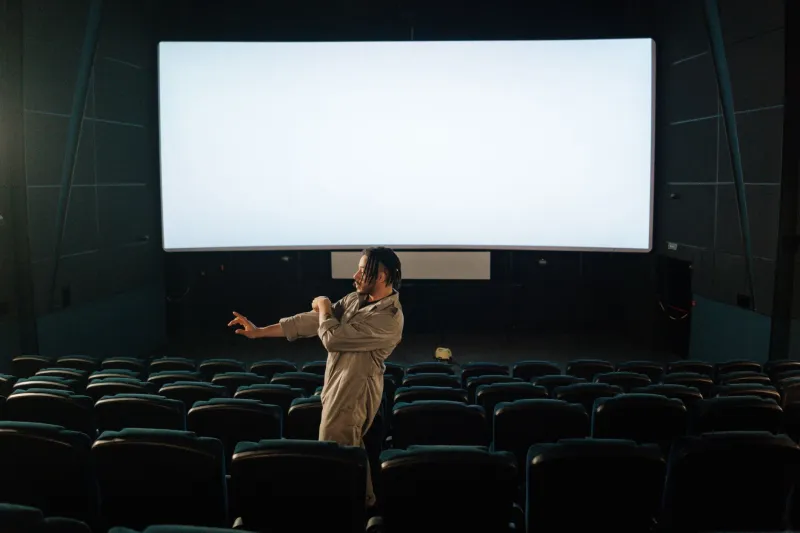
An Education in Looking: How Japanese Cinematography Rebuilds the Viewer's Eye from the Ground Up

Japanese cinematography operates on a set of principles that are quietly at odds with everything Hollywood has taught American audiences to expect from the camera. Through the disciplined use of negative space, unconventional framing, and a studied resistance to the close-up, Japanese directors of photography are producing images that do not simply show—they demand. This piece examines the visual philosophy behind some of the most distinctive camera work in contemporary world cinema.

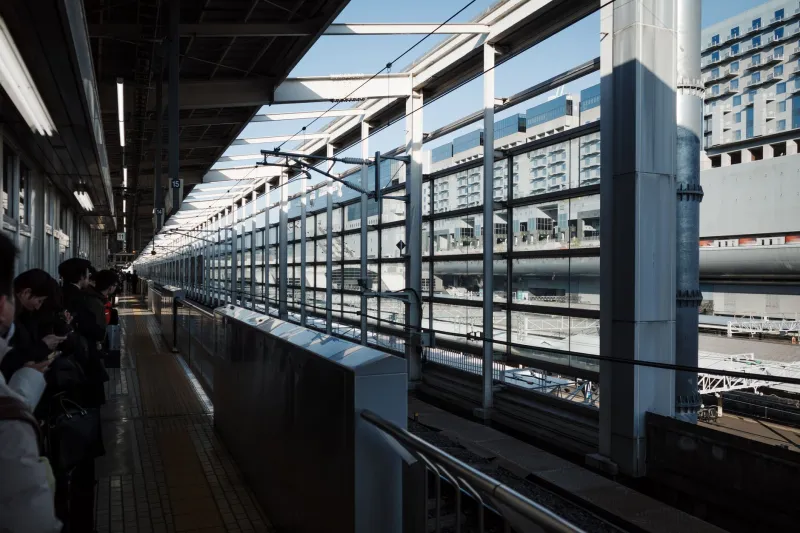
Unmasked at the Platform: How Japanese Cinema Turns the Daily Commute into Its Most Honest Confession Booth

In Japanese cinema, the commute is rarely just transportation—it is transformation. From crowded subway cars to rain-soaked waiting rooms, filmmakers have long understood that the spaces between departure and arrival are where human beings are most nakedly themselves. This analysis examines how transit moments function as the modern soliloquy, offering American audiences an intimacy with character that Western storytelling seldom dares to attempt.

What the Silence Knows: The Japanese Director's Most Devastating Cinematic Tool

What the Silence Knows: The Japanese Director's Most Devastating Cinematic Tool

In Japanese cinema, the absence of words is rarely empty — it is, in fact, the fullest moment in the room. A growing number of American audiences are discovering that restraint, deployed with surgical precision, can produce an emotional reckoning that no swelling orchestral score ever could. This examination explores how Japanese filmmakers have elevated silence from a pause into a language of its own.

Clocking Out of the Dream: How Japanese Workplace Cinema Is Giving American Audiences Permission to Feel Exhausted

Clocking Out of the Dream: How Japanese Workplace Cinema Is Giving American Audiences Permission to Feel Exhausted

A quiet wave of Japanese office dramas has arrived on American shores, and viewers are responding with something more profound than admiration — they are responding with recognition. These films do not flatter the corporate world; they dissect it with surgical patience. In doing so, they have opened a conversation about work, identity, and human dignity that American cinema has rarely dared to have so honestly.

Beyond the Score: How Japanese Film Composers Are Rewriting the Rules of Cinematic Sound

Japanese film scoring has long operated on principles that Western cinema is only beginning to understand—where silence carries as much weight as a full orchestra, and restraint becomes its own form of expression. From the contemplative minimalism of Joe Hisaishi to the atmospheric precision of Ennio Morricone's Japanese counterparts, the sound design emerging from studios like Toho and Shochiku is reshaping how American directors think about music as narrative. This piece examines the philosoph